

Friday, August 14, 2026
The questions your dashboard cannot answer
Elena Kovač
Every dashboard begins with a good question.
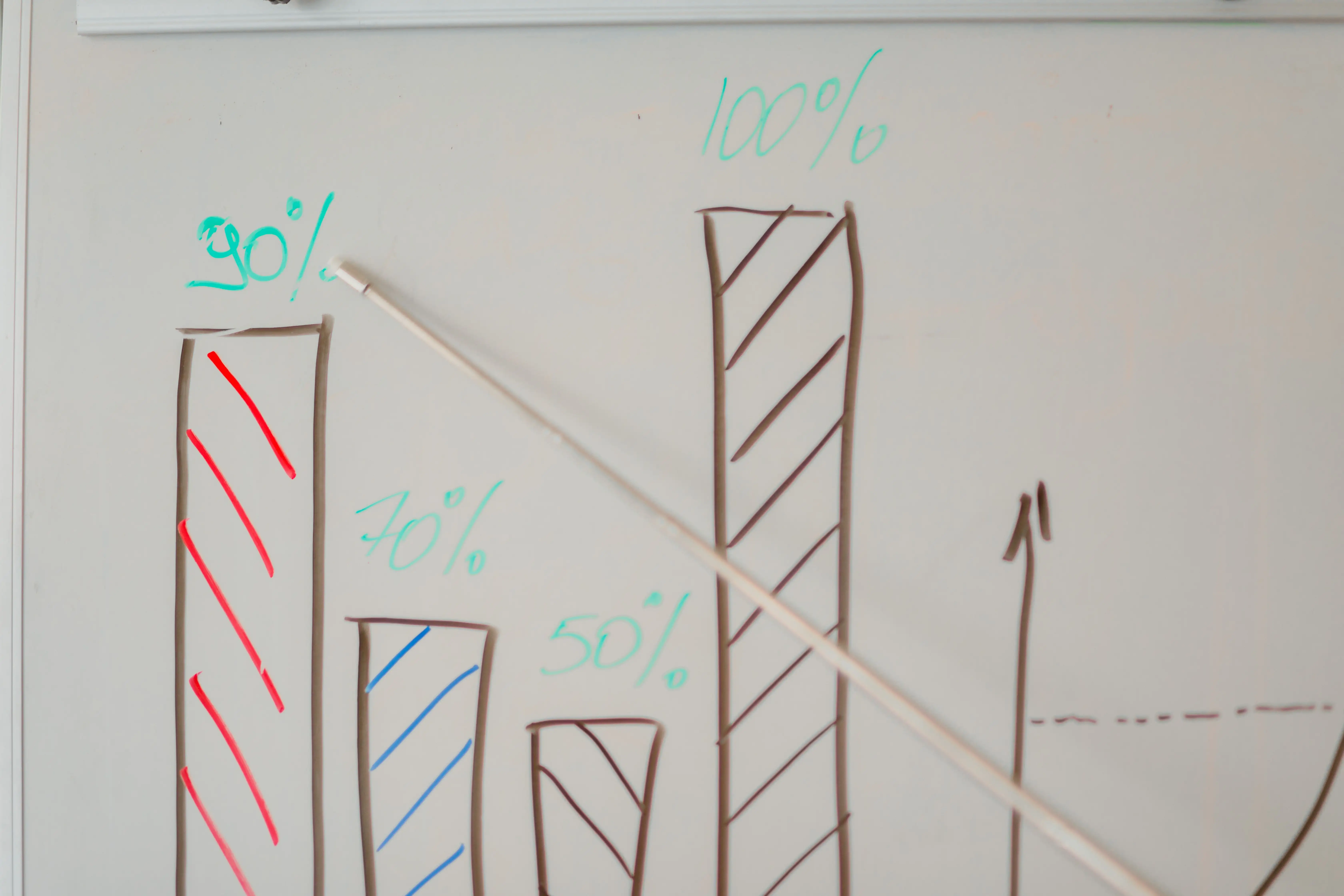
The trouble starts when the business changes faster than the dashboard. A launch shifts acquisition, a sales conversation reveals a new objection, or a retention number starts moving. The question is suddenly different, yet the dashboard remains a frozen record of what mattered last quarter.
That is why more charts do not create more clarity. They create a wider surface area for searching. Someone still has to decide which metric is relevant, connect it to the surrounding context, and explain what changed before the meeting moves on.
A useful analytics system should make exploration easy. It should let a marketer ask why qualified traffic fell, let a product lead compare cohorts, and let a founder trace a change from campaign to pipeline without filing a request.
The goal is not to replace dashboards. They are excellent for shared monitoring. The goal is to stop treating them as the only doorway into company knowledge.
When teams can ask the next question immediately, the quality of the conversation changes. Analysis becomes part of the decision instead of a follow-up task that arrives after momentum has gone.
The best test is simple. Think about the last important question asked in a meeting. Could everyone find the answer while the question still mattered? Build for that moment. Keep the familiar reports, but give every team member a direct path from curiosity to evidence. The organisations that learn fastest are rarely the ones with the most charts. They are the ones where a good question does not have to wait.
Keep reading